
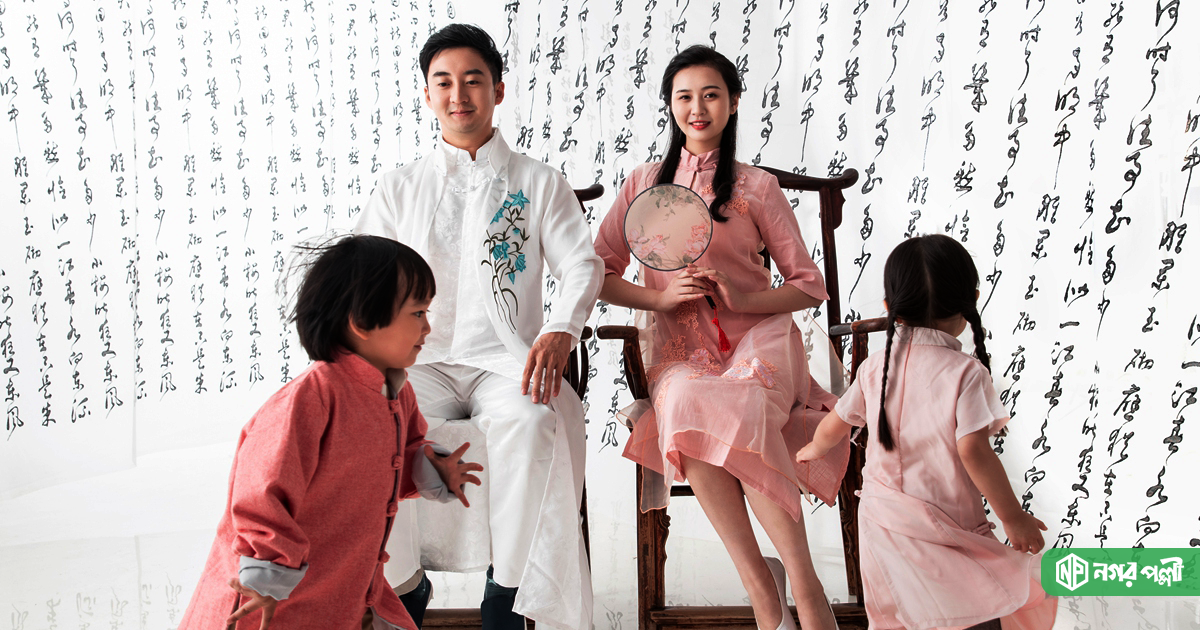
China has emerged as one of the world’s most dynamic fashion markets, blending traditional culture with modern trends. The country’s clothing and fashion industry is thriving, with brands focusing on innovation, sustainability, and digital integration. From luxury labels to streetwear icons, Chinese fashion brands are redefining style both domestically and globally. Consumers in China are increasingly drawn to brands that combine high-quality materials, unique designs, and strong cultural identity.
1. Li‑Ning

Segment: Sportswear turned fashion/streetwear.
Why important: Founded by Olympic gymnast Li Ning in 1990, the brand now blends performance athletic wear with stylish, culturally-rooted design.
Strengths: Recognisable brand, strong domestic reputation, global visibility.
2. Bosideng

Segment: Outdoor / winter outerwear (especially down jackets).
Why important: It’s one of China’s leading outerwear brands and increasingly fashion-oriented beyond purely functional wear.
Strengths: Speciality in colder-climate wear, good export/recognition potential.
3. HLA (Heilan Home)

Segment: Menswear & casualwear; mainstream.
Why important: One of the largest domestic apparel companies in China; strong volume and reach.
Strengths: Wide retail network, strong domestic brand equity.
4. Meters/bonwe

Segment: Youth‐oriented casualwear/apparel.
Why important: Targeting younger consumers (18-25) and known for “casual” style in China
Strengths: Ability to connect with youth trends; broad store presence.
5. Peacebird

Segment: Contemporary streetwear / youth fashion.
Why important: Frequently cited among top “fast-fashion / trending” Chinese brands targeting younger generations.
Strengths: Trend responsiveness, cool cultural positioning.
6. Shein

Segment: Fast‐fashion e-commerce, global.
Why important: Originally Chinese, massively influential globally; known for rapid style turnover and digital/online focus.
Strengths: Global reach, ultra-fast production & distribution model.
7. Shanghai Tang

Segment: Luxury / premium fashion inspired by Chinese heritage.
Why important: Recognised luxury label incorporating Chinese motifs and higher price‐tier products.
Strengths: Heritage, premium market positioning.
8. Septwolves

Segment: Menswear / classic casualwear.
Why important: Often cited in lists of major Chinese clothing brands, particularly in men’s apparel.
Strengths: Strong domestic recognition in its segment.
9. Shang Xia

Segment: Luxury, design‐forward fashion.
Why important: High-end Chinese brand co-founded in collaboration with luxury resources, targeting premium consumers.
Strengths: International prestige, design credibility.
10. Jnby

Segment: Creative women’s wear / lifestyle fashion.
Why important: Known for design‐led women’s clothing, strong in China’s independent fashion scene.
Strengths: Design identity, niche and premium-ish positioning.
In conclusion, China’s clothing and fashion industry continues to rise as a global powerhouse. The country’s best-selling and most popular fashion brands showcase a perfect mix of creativity, technology, and tradition. With growing international recognition, Chinese fashion labels are no longer just local favorites—they are setting new standards in the global fashion scene, proving that “Made in China” now stands for innovation and style.