
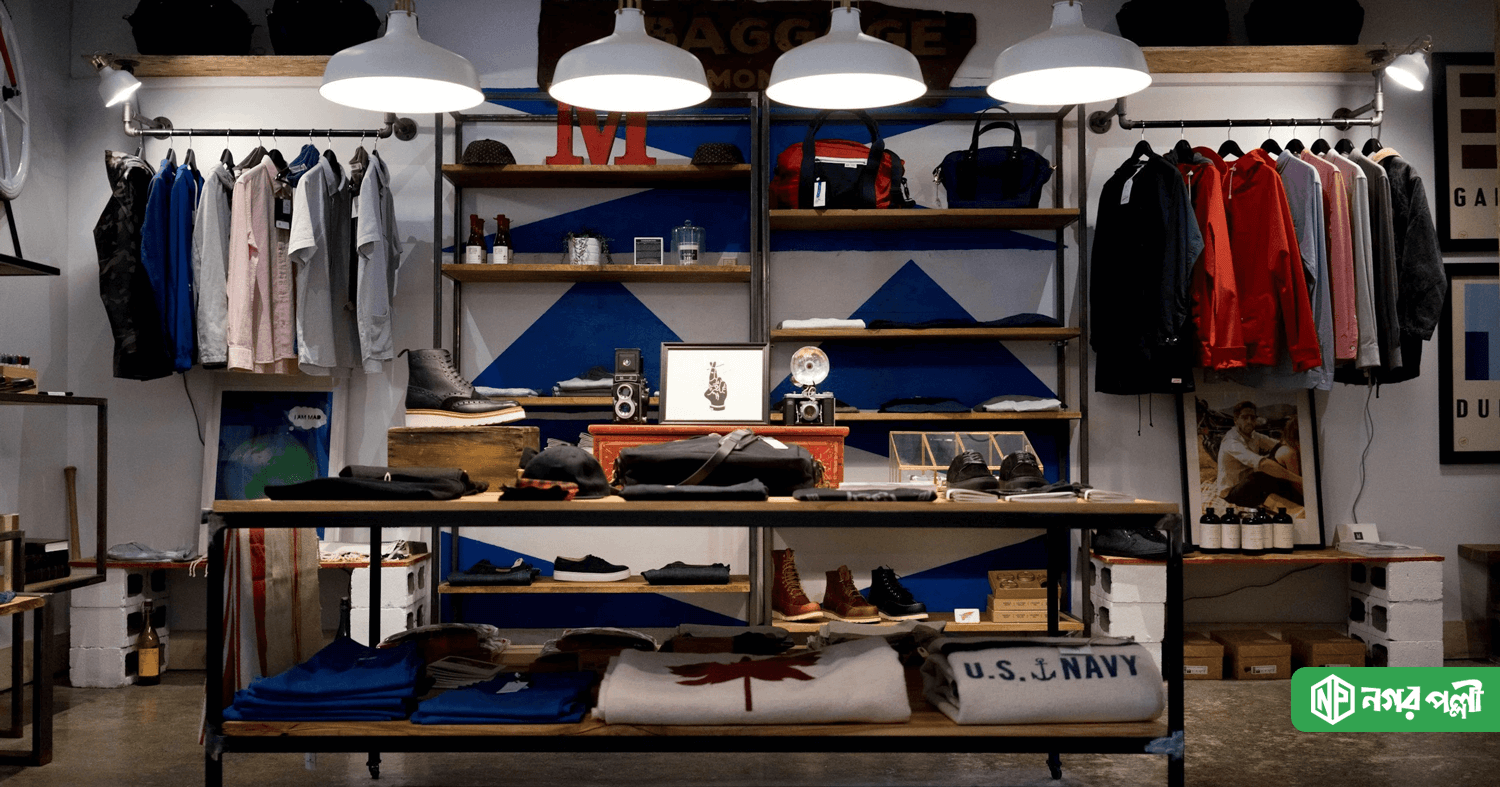
Bangladesh is now one of the most vibrant fashion and apparel hubs in South Asia. Over the years, local clothing brands have transformed from small boutique setups into nationally recognized names that combine tradition, creativity, and global fashion trends. These brands have successfully captured the hearts of millions of customers through their quality products, unique designs, and commitment to both style and comfort.
The clothing industry in Bangladesh thrives on diversity — from traditional ethnic wear like sarees, panjabis, and salwar kameez, to trendy western outfits such as shirts, jeans, and dresses. The modern Bangladeshi consumer seeks a blend of cultural elegance and contemporary fashion, and local brands have mastered that art. During festive seasons like Eid, Pohela Boishakh, and weddings, these brands become the first choice for shoppers due to their wide collections, color variety, and premium craftsmanship.
1. Aarong

Overview & Heritage:
Aarong was founded in 1978 under the umbrella of BRAC and is a lifestyle / department-store fashion brand in Bangladesh.It was created with dual goals: provide quality clothing (especially ethnic wear) and empower rural artisans/hand-craft communities.
Why it’s a “best-seller” and popular:
- Strong brand recognition: It is widely considered a household name in Bangladesh for clothing, accessories and related lifestyle goods.
- Ethnic + modern fusion: Aarong offers a mix of traditional Bengali / South Asian styles (saris, panjabis, hand-woven fabrics) alongside more contemporary designs. This dual offering broadens its appeal.
- Social purpose: Its roots in artisan empowerment add to brand goodwill, enabling it to position itself not just as a fashion brand but also one with social impact. This can resonate with a consumer segment seeking “ethical” or locally-crafted clothing.
- Wide retail presence: It maintains flagship stores across major Bangladeshi cities.
Challenges / Competitive angles:
- Because the brand is premium and heritage-oriented, it may not appeal to very budget-driven segments or ultra-fast-trend youth segments.
- The “craft” / artisanal aspect may imply higher prices; so if your target is value-fast-fashion, this might be less ideal.
- Online competition from global fast-fashion, and local brands with lower price points, may erode market share among younger consumers.
In short: If you are looking for a brand that is well-established, has strong cultural roots, good consumer trust, and works on a higher price-/value-angle, Aarong is a top pick.
2. Yellow

Overview & Positioning:
Yellow is a Bangladesh-based fashion brand under the larger conglomerate Beximco.
Founded in 2004, it focuses more on trendy, modern casual / semi-formal wear for younger consumers (men, women, kids) in an urban context.
Why it’s a “best‐seller” / popularity factors:
- Strong social media & youth appeal: According to a report, Yellow had over 4 million followers across major social platforms in Bangladesh, making it one of the most popular retail clothing brands in terms of social media presence.
- Trend-forward and affordable: The brand emphasises fashion trends, youth-friendly styles, affordable pricing (compared to high luxury), making it accessible to a broad middle segment.
- Diversified product line: It offers men’s, women’s, children’s apparel, and covers casual, western, semi-formal categories.
- Retail/flagship expansion: The brand has many outlets across Dhaka and other cities (Bashundhara City, Jamuna Future Park etc).
Competitive/Challenges:
- The trenddriven segment is crowded — other local/niche brands and even imported fast-fashion compete. So Yellow must keep refreshing and being nimble.
- Quality perception matters: Younger consumers may want better fits, fabric quality, sizing accuracy. Ensuring accurate product data (size charts, model measurements, fit reviews) will help reduce returns.
- Logistics & delivery speed: For youth segment, quick delivery is a competitive advantage.
In summary: For an e-commerce-centric project targeting the urban youth / trend segment in Bangladesh, Yellow is a strong candidate brand. The rapid turnover and wide consumer base make it attractive for digital marketing and scalable growth.
3. Ecstasy

Overview & Identity:
Ecstasy is a Bangladeshi fashion and lifestyle brand, founded in 1997 by Tanjim Haque. The flagship store is in Banani, Dhaka.
It focuses on men’s & women’s apparel, accessories, blending casual and lifestyle fashions.
Popularity / Why it’s a best‐seller:
- Established brand with strong retail presence: Having been around since the late 1990s gives it a legacy in a market where many brands emerged more recently.
- Urban lifestyle orientation: Ecstasy positions itself as a modern, lifestyle brand rather than strictly traditional ethnic wear. This appeals to middle/uppermiddle consumers seeking contemporary looks.
- Good recognition in brand listing: In many “top clothing brands in Bangladesh” lists, Ecstasy appears among the top (due to quality, style, presence).
Potential caveats:
- As a lifestyle brand (vs super-budget), scaling to very price-sensitive segments may be harder.
- Competition in urban lifestyle segment is intense, especially from international brands and imports. Digital marketing must be sharp.
Another reason behind the popularity of these clothing brands is their strong focus on quality and affordability. Most Bangladeshi fashion houses maintain strict quality control to ensure fine fabric, durable stitching, and perfect fitting. At the same time, they keep prices reasonable to cater to middle-class consumers, which makes them accessible to a larger audience. With the growth of online shopping, many brands have expanded their reach through e-commerce websites and social media platforms. This digital transformation allows customers from all over the country — and even abroad — to explore new collections and shop conveniently from home.
What sets Bangladeshi clothing brands apart is their ability to combine local culture with modern design. Traditional handloom fabrics, block prints, and embroidery work are often blended with western cuts and styles to create something truly unique. This has helped the industry not only dominate the local market but also gain international attention. Many of these brands now export to other countries, representing Bangladeshi fashion on a global stage.
Here’s a Top Men’s & Women’s Clothing Brands in Bangladesh (in no strict order). These are useful reference points considering your Shopify/e-commerce background and local market knowledge.
I’ve pulled from multiple local “top brands” lists to give breadth. Some may be stronger in ethnicwear, others in youth fashion, formal menswear etc.
In recent years, the younger generation has also become a major driving force behind this growth. Youth-oriented fashion houses introduce fast-moving, trendy collections that reflect modern lifestyle and personality. From casual streetwear to formal office attire, Bangladeshi brands now offer a complete wardrobe solution for men, women, and children alike.
Overall, the most popular and best-selling clothing brands in Bangladesh symbolize a perfect harmony between heritage and innovation. They represent the creativity, craftsmanship, and entrepreneurial spirit of the country’s growing fashion industry. Whether it’s for festive occasions, daily wear, or global export, Bangladeshi brands continue to set new benchmarks in quality, design, and consumer satisfaction — making them not just local favorites but international style ambassadors of Bangladesh.